


Children in Confinement: Seclusion in Schools
Behind cinderblock walls
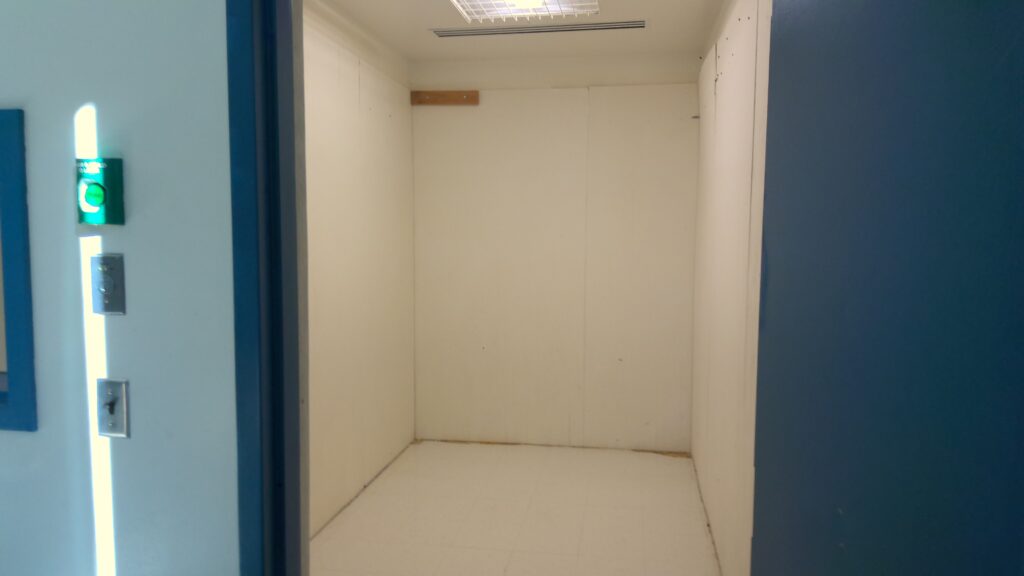
Using our federal monitoring and investigative authority, our Minnesota Disability Law Center visited 80 registered seclusion rooms in Minnesota schools. Six feet by five feet. Padded walls or more often not. This is what most seclusion rooms look like, meeting minimum requirement. Stark. Bare. No books. No games.
Currently banned for youngest learners with disabilities, experiencing dysregulation — they are being considered, again, by the Minnesota legislature.
Seclusion photo gallery
Evidence of key findings (click images)
seclusion rooms is publicly available.
Our investigation reveals
“Seclusion” is the involuntary confinement of a child with disabilities alone in any room or area of a public school building. When a school staff member determines that a child with disabilities displays behavior which may cause physical injury to themselves or others, the school staff may physically transport and isolate that child in a dedicated small, locked room within the school building called a “seclusion room.” Minnesota law permits a school district to register seclusion rooms and isolate children with disabilities in these rooms during an emergency. In this case, an “emergency” means a “situation where immediate intervention is needed to protect a child or other individual from physical injury.”
In the 2024-25 school year, 50 school districts registered a seclusion room with the Minnesota Department of Education. With 328 school districts in Minnesota, this means 15% of school districts have registered seclusion rooms. Currently, Minnesota law allows seclusion for students in grades 4-12.
As of Sept. 1, 2024, seclusion is banned for students in grades K-3. It is sanctioned for older students. To use seclusion, schools must have a public plan, use trained and licensed staff, notify parents and apply seclusion only in emergencies — not for discipline. If seclusion occurs twice in 30 days or shows a pattern, a team meeting is required. Most of the laws on seclusion can be found in Minnesota Statue 125A.0942.
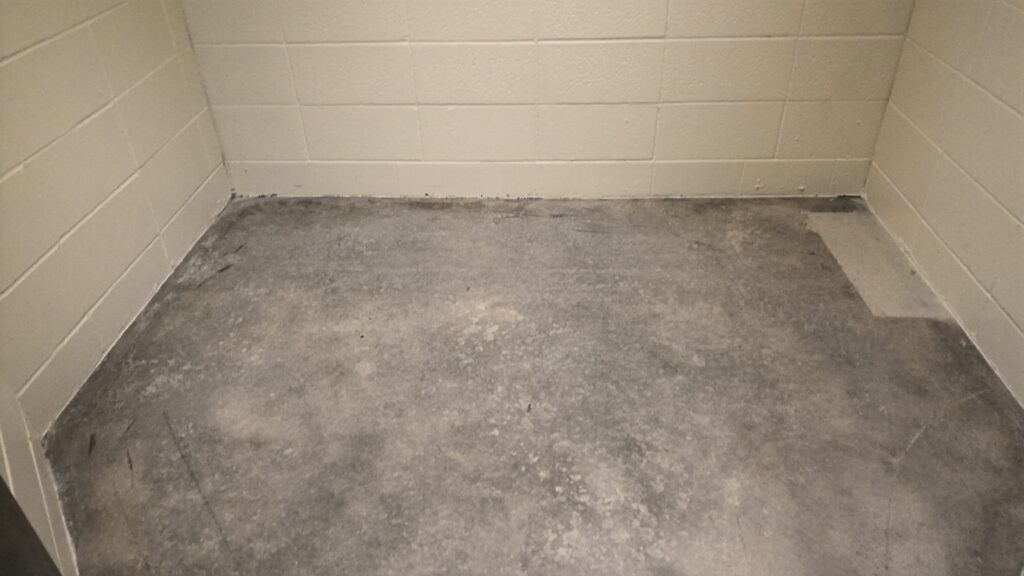
- Majority of seclusion rooms have beige, cinderblock walls, are non-carpeted, with concrete slabs for ease of cleaning bodily fluids.
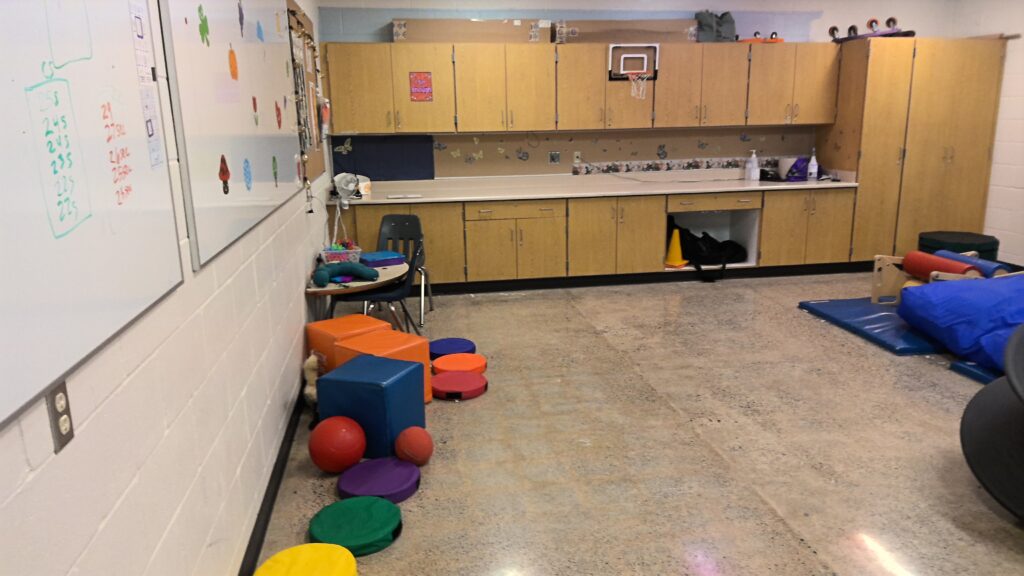
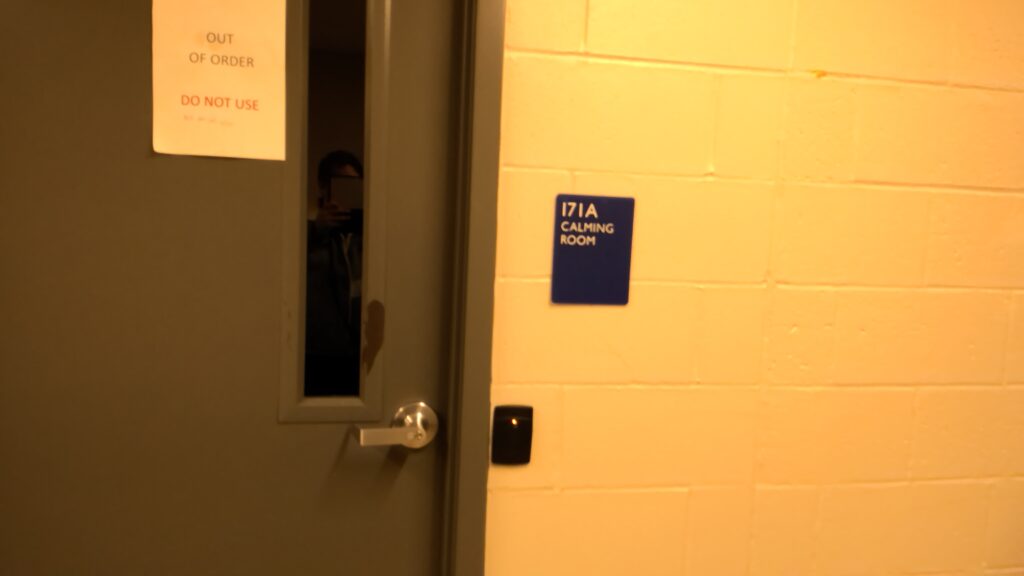
- Seclusion rooms are not sensory rooms or calming rooms. They are restrictive and bare. They do not have soft lighting with therapy equipment.
- The list of registered seclusion rooms is not accurate. Some schools ended the practice yet are still on the list or have found new uses for the rooms.
- While most seclusion rooms were in compliance with state requirements, others were poorly lit, not ventilated or adequately heated. Some had objects that could cause injury.
Contact your legislative representatives or your school board and let them know what you think about seclusion rooms.